

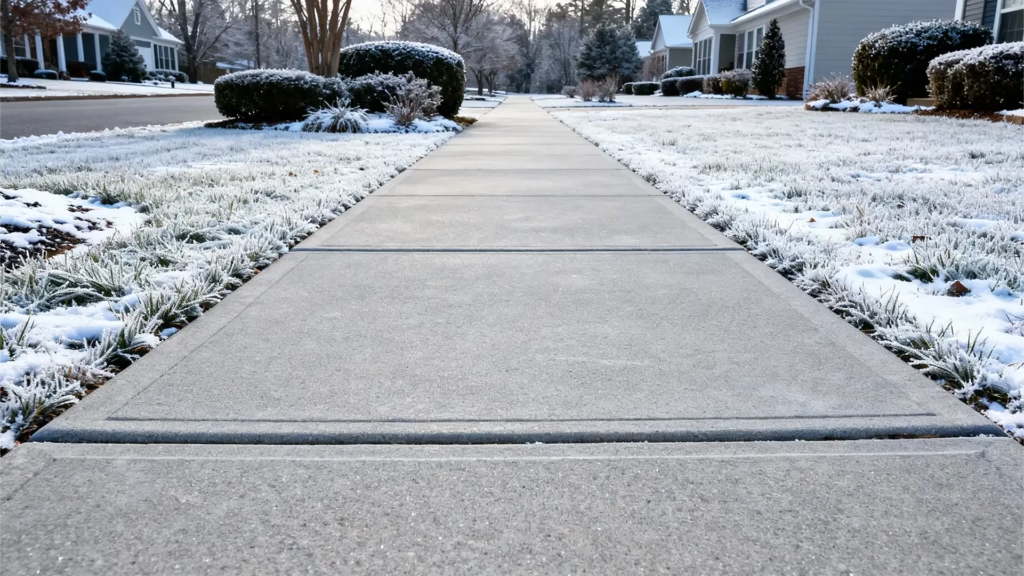
Charlotte winter weather can be unpredictable, and both homeowners and businesses need clear procedures to follow when it comes to keeping sidewalks safe as well as in good repair. Ice, snow and freeze-thaw cycles can cause a slipping hazard, damage to your concrete, and increased liability if you don’t maintain walking areas.
With this guide, you’ll have simple tips when it comes to day-to-day winter care — from knowing which de-icer is best for your concrete driveway, to understanding when it’s time to contact a concrete sidewalk contractor. Durafy deals with concrete every day and we know what works to keep your sidewalk looking great through the winter and what steps provide real benefit.
Winter Sidewalk Maintenance in Charlotte: Ensuring Safety & Compliance

Caring for sidewalks during the winter is important, more than many people realize. Keeping snow clear, ice managed, water draining properly and addressing minor concrete issues early all help prevent accidents and protect the property. Slip-and-fall related accidents are particularly dangerous in the winter, as reported by research in The International Journal of Environmental Research and Public Health where icy walkways and re-frozen melt may result in high rates of pedestrian injuries when snow-covered sidewalks aren’t cleared within a reasonable amount of time following a snowstorm.
Cold weather, too, is real stress for concrete. When water seeps into small cracks and freezes, it expands and eventually pushes the slab apart. Sidewalk specialists explain that repeated freeze-thaw cycles can cause cracking, lifting, and surface flaking over time if concrete is not maintained before winter arrives
Not to mention the liability aspect. If someone slips on an untreated icy walkway or trips over uneven concrete, property owners can be held responsible. Personal injury legal experts as Cochran Kroll suggest that the failure to remove ice or fix dangers promptly may leave owners open to claims and disputes.
Simple ways to repair and protect concrete sidewalks in winter
In severe winter conditions, concrete sidewalks can be damaged by cracking, surface flaking (or spalling), uneven slabs, or structural problems. The good news is that if there are tested repair and protection measures that help prevent sidewalks from breaking up during freeze-thaw cycles, and keep them solid.
According to the American Concrete Pavement Association, sealing cracks is the first line of defence. If the damage is more than a hairline crack — like spalled areas or uneven slabs crumbled by freezing temperatures and shifts in soil — the next best step often is a localized patch or partial-depth repair. That entails patching the spalled section and sealing the crack or joint around it so moisture does not re-enter.
For a sidewalk that has tilted, pitted or settled (caused by frost heave, settling beneath the slab, among other factors), mud jacking (slabjacking) or re-levelling is your best bet. This re-establishes a level, safe walking surface and eliminates potential trip hazards before someone gets hurt.
If the sidewalk is generally sound but porous, applying a high-quality penetrating sealer in the fall can help. A sealer is water- and salt-repellent, which prevents much of the moisture from entering and freezing. That slows the process of freeze-thaw damage, and it will help ensure that your repairs last longer.
And for emergencies after winter storms — when you might need a quick fix (even if temporary) that won’t put you at risk — you have simple interim safety measures: things like temporary ramps (for uneven slabs), or sand and non-chemical abrasives for traction, even warning signs to passersby, until safe sidewalk contractors like Durafy can assess your local concrete sidewalks and give them proper treatment.
Why proactive protection matters before winter hits
- Seal up your concrete while you can so those pesky winter cracks don’t creep into them
When small cracks are left unsealed, water — or salty meltwater from de-icers — can slip in. When that water freezes, it expands and forces out the concrete, causing chips and flaking. Trapping in those moisture-rich fall blocks before temperatures drop. One of the best ways to retard freeze-thaw damage is a sealing before winter.
- Address drainage problems while the weather is still warm
It may pool water after it rains, which will freeze overnight and put stress on the slab all winter long. Removing a buildup of soil, regrading a low area or accentuating the slope of the ground are ways to ensure water runs away from the concrete.
- Carry out a perfunctory fall inspection to catch little things early
When you take a stroll through late fall, you can identify hairline cracks, small chips and uneven slabs. These problems are infinitely simpler and less expensive to address prior to the arrival of freezing weather.
How can you safely maintain concrete sidewalks during winter in Charlotte?
Winter sidewalk maintenance in Charlotte NC does not have to be complex, just consistent. A little daily effort can make the difference between slips and falls on your walkway, driveway or business entrance for family, guests and holiday shoppers. And when you’re managing visitors, packages, events and end-of-year foot traffic, it’s best to have a reliable routine that helps minimize last-minute mishaps.
- Choose de-icers that protect your concrete
All de-icers are not created equal. Some melt ice rapidly but may chew up your sidewalk, driveway or stamped concrete. Here is a simple primer on what each product does and when it performs best.
a. Rock salt (sodium chloride)
- Damages concrete over time, leading to scaling
- Ideal for conditions 20° and above, only when you need it
- Do not use it at all on new concrete or decorative stamped concrete
b. Calcium chloride
- Works well in colder temperatures
- More gentle on concrete than rock salt, easy to spread and less absorbed when used sparingly
- Recommended for use in business entrances with regular foot traffic
c. Calcium magnesium acetate (CMA)
- Safest for concrete and landscaping
- A great option for homeowners looking for long-lasting defence
d. Sand or traction grit
- Does not melt ice but increases traction
- Safe at any temperature
- Great when you want the traction but not the extra chemicals.
Using the right product reduces long-term concrete damage and keeps your walkway safer for family members, customers, and delivery drivers.
When should you seal your concrete for winter protection?
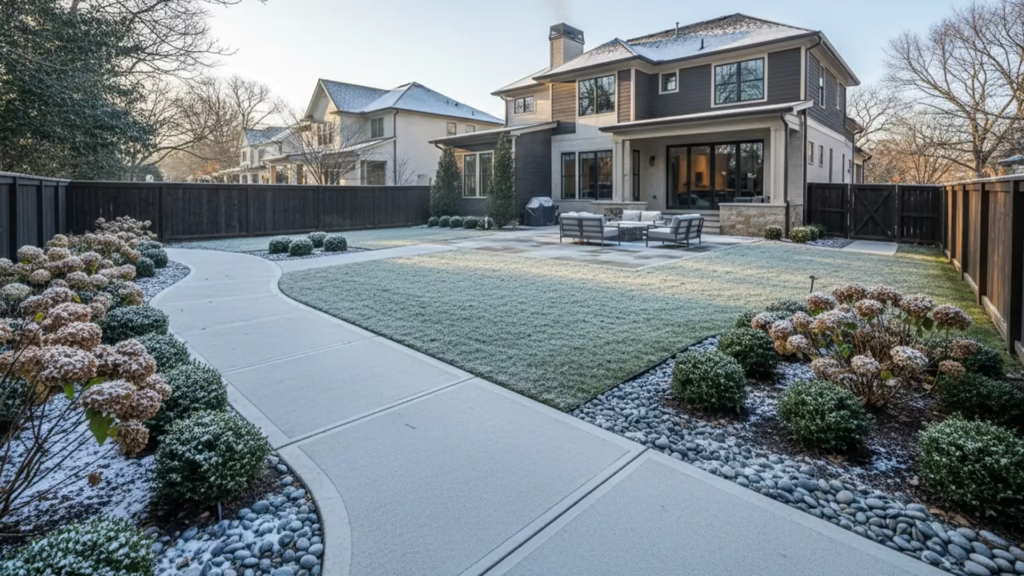
Sealing is one of the simplest ways to safeguard a sidewalk or driveway before the freeze season arrives. The best time to do this is in the fall when temperatures are cool and there’s enough sun and wind that the surface can dry properly. A quality sealer will keep water from sinking in, which can prevent cracking, chipping and surface wear.
Ensure the concrete is clean and dry prior to applying the sealer. Repair small cracks so water can’t pool. And for those with busy retail storefronts or homes anticipating holiday visitors, sealing your concrete offers peace of mind and prevents emergency repairs down the line.
Durafy uses a breathable proprietary sealer that will keep your concrete protected for years. For most sidewalks and driveways, sealing should only be necessary every two to four years, depending on foot traffic and exposure.
Why all this matters for homes and businesses in Charlotte
You might not experience consistent snow in Charlotte, but freeze-thaw cycles, resulting in black ice and unexpected cold snaps , can take a toll on your sidewalks. You can — with a little bit of planning.
- Make safe walkways for your guests, customers and employees
- Limit liability for slips and falls
- Don’t pay for expensive concrete repair when springtime comes
- Prolong the life of your driveway, patio and add curb appeal to home by reducing dirt & algae stains fast.
- Keep property looking good through the holidays
If you need assistance choosing the proper de-icer, sealing or repair products, a Durafy concrete contractor will help you choose what’s best and keep your property safe year round.